Business Directory

advancing excellence in memory care ceu resources for professionals

Advancing Excellence in Memory Care: CEU Resources for Professionals

In the rapidly evolving field of senior health care, staying current with regulations and best practices is essential for delivering exceptional patient outcomes. Caring Causes in Prescott, Arizona, offers specialized Continuing Education Units (CEUs) designed specifically for healthcare professionals working in memory care. These programs go beyond mere compliance, equipping you with evidence-based strategies and compassionate approaches to Alzheimer’s and dementia care while ensuring mastery of the latest Arizona Department of Health (AZDH) guidelines. Why Choose CEU Resources from Caring Causes? Tailored for nurses, aides, administrators, and therapists, these CEU courses blend interactive learning with practical, real-world application. Choose from flexible formats—self-paced online modules, live webinars, or hands-on workshops—to fit your schedule. Each course incorporates case studies, role-playing exercises, and ready-to-use tools that you can implement immediately in your practice. Key topics covered include: Dementia Progression and Behavioral Interventions: Understanding brain stages, de-escalation strategies, and managing challenging behaviors. Compliance & Ethical Care in Memory Facilities: In-depth AZDH guidelines, ethical challenges in end-of-life care, and compliant documentation. Enhancing Daily Care & Engagement: Assistance with activities of daily living (ADLs), sensory and memory care techniques, and fall prevention. End-of-Life & Palliative Approaches: Recognizing terminal signs, providing comfort care, offering grief support, and cultural competency. Benefits That Make a Real Difference Earn 4–8 CEUs per course, approved for nursing and caregiver licensing. Gain AZDH regulation mastery through deep dives into new memory care rules, compliance, and risk management. Every enrollment includes the Professional Memory Care Toolkit—a valuable digital bundle featuring: Downloadable AZDH compliance checklists Customizable care plan templates Access to a resource library with video recaps and quizzes Certificate of completion for immediate credit submission What Professionals Are Saying “As a professional, the CEU resources kept me current on regulations while inspiring better ways to partner with families.” – Dr. Elena R., Memory Care Specialist Elevate Your Practice Today Invest in your professional growth and enhance the care you provide. Whether you’re seeking to meet licensing requirements or deepen your expertise in dementia care, Caring Causes is here to support you. Location: 377 North Montezuma Street, Suite #102, Prescott, AZ 86301 Phone: 833-681-4996 (tel:833-681-4996) Email: of****@**********es.org (mailto:of****@**********es.org” data-original-string=”0z13CWjbqXSXFWSCnAXxWw==779NvxyQUQSPc/2pi/MGEZsx5Dk5uNfBGRzZIgYgEzz8GPI7ybe+g6jhl1WTgoT2gKoGrCL/r4lwXxQ6OtnBxvfZA==” title=”This contact has been encoded by Anti-Spam by CleanTalk. Click to decode. To finish the decoding make sure that JavaScript is enabled in your browser.) Schedule a Class: caringcauses.org/shop/ Learn More: caringcauses.org/ceu-resources/ Advance your expertise and make a lasting impact—enroll in a Caring Causes CEU program today. 
Read More »
1

Alzheimer’s in Prescott: What Families Need to Know Right Now

In Prescott and across Yavapai County, more families than ever are facing Alzheimer’s and other forms of dementia. Across Arizona, about 151,500 adults aged 65 and older are living with Alzheimer’s disease, and that number is projected to rise sharply in the next decade. In Yavapai County, roughly 9.9% of adults 65 and older are estimated to have Alzheimer’s — that’s about 8,000 people who are living with the disease and relying on family caregivers every day. That means many of our neighbors, church members, and friends are quietly walking a difficult path of confusion, memory loss, and constant change.​ Alzheimer’s isn’t just a “senior issue” — it reshapes entire families. Across Arizona, over 240,000 unpaid caregivers provide essential support for loved ones with dementia, often at the cost of their own health, time, and financial stability. Many of these caregivers are spouses, adult children, or even grandchildren who never expected to be full‑time caregivers. Here in Prescott, we’re seeing the same trends: More diagnoses each year More families feeling overwhelmed and unsure where to turn More caregivers struggling with isolation, stress, and burnout At Caring Causes (caringcauses.org), we’re deeply aware of these realities. Our mission is to help local families and caregivers feel seen, supported, and equipped with the tools they need — from education and training to placement assistance and emotional support. If you’re caring for someone with Alzheimer’s or dementia in Prescott, you are not alone. Local resources and compassionate support are available — and we’re here to help you find them.   Caring Causes (your site) – caringcauses.org​ Alzheimer’s Association – Desert Southwest Chapter (Arizona/Nevada support, helpline, and local groups) – alz.org/dsw Arizona Alzheimer’s & Dementia Support Groups (in‑person and virtual) – alz.org/dsw/support​ Arizona Alzheimer’s Consortium – Resources for Families & Professionals – azalz.org/resources​ Arizona‑Based Caregiver Resources (programs, training, housing options) – azcaregiver.org​ Family Caregiver Alliance – Arizona Services Directory – caregiver.org by state: Arizona​ Yavapai County Resources for Dementia & Memory Loss (PDF, local Prescott‑area services) – justicementalhealth.com / Yavapai Resources PDF​ Yavapai County Community Health Services – Alzheimer’s/Brain Health Initiative – Yavapai County news article on Alzheimer’s grant​

Read More »
1

Building a Personalized Care Plan: Tools and Strategies from Caring Causes

For Prescott, Arizona families caring for loved ones with dementia, a personalized care plan brings clarity and reduces overwhelm. At Caring Causes, we provide step-by-step tools and strategies in our Prescott-based seminars to create effective dementia care plans tailored to your unique situation. Building a Personalized Care Plan: Tools and Strategies from Caring Causes Caring for a loved one with Alzheimer’s or dementia in Prescott, Arizona requires personalized dementia care plans tailored to local families’ unique needs. No two journeys are exactly alike — your loved one’s personality, stage of progression, living situation, and family dynamics all shape the care needed. That’s why generic advice often falls short. What works is a personalized care plan built around your unique realities. At Caring Causes, we believe every family caregiver deserves the tools to create a plan that brings clarity, reduces overwhelm, and improves quality of life for both caregiver and loved one. Why a Personalized Care Plan Matters Without a clear plan, caregiving can feel reactive — putting out fires day after day. A thoughtful plan helps you: Anticipate needs before they become crises Maintain your loved one’s dignity and independence as long as possible Protect your own physical and emotional health Communicate effectively with family members, doctors, and support services Research from the Alzheimer’s Association shows that caregivers who use structured planning experience lower stress and higher confidence. Key Elements of an Effective Care Plan In our small-group seminars, we guide caregivers step-by-step to build plans tailored to their situation. Here are some core components we cover: Daily Routine & Structure Establish predictable schedules for meals, activities, and rest to reduce agitation and confusion. Safety Assessment Identify home hazards, fall risks, and wandering prevention strategies specific to your living space Communication Strategies Adapt approaches as language abilities change — from validation techniques to non-verbal connection. Managing Behaviors Track triggers and responses so you can redirect rather than react. Activities of Daily Living (ADLs) Learn respectful, dignified ways to assist with bathing, dressing, eating, and toileting. Meaningful Engagement Discover activities that spark joy and connection based on your loved one’s lifelong interests. Self-Care for the Caregiver Schedule respite, support networks, and stress-relief practices — because you can’t pour from an empty cup.   Legal & Future Planning Address advance directives, financial considerations, and end-of-life wishes with compassion. How Our Small-Group Seminars Help You Build Your Plan Unlike large online courses, our Prescott, Arizona-based (and virtual) caregiver classes are intentionally small for personalized local support. This allows: Real-time feedback from expert instructors Role-playing real scenarios from your life Sharing and learning from other local caregivers facing similar challenges Lifelong email support after graduation — so your plan evolves as needs change Graduates consistently tell us the personalized guidance was the game-changer.   As one recent participant shared: “I came in feeling lost and overwhelmed. I left with a clear plan, practical tools, and a community that understands.”   Navigating sensitive relationship changes? Explore our guide to dementia intimacy and sexuality, or start with understanding the hidden challenges of dementia caregiving in Prescott. Take the Next Step Toward Confidence and Clarity Limited spots remain for our upcoming Alzheimer’s & Dementia Family Caregiver Seminar. Whether you join in person in Prescott or virtually, you’ll gain the knowledge, skills, and ongoing support to create and maintain a care plan that works for your family. Register today: https://caringcauses.org/shop/ You don’t have to figure this out alone. A personalized care plan — backed by expert training and compassionate community — can transform your caregiving experience from surviving to thriving.   With care, The Caring Causes Team Prescott, AZ

Read More »
compassionate end of life support doula services

Compassionate End-of-Life Support: Doula Services

Navigating the final stages of Alzheimer’s or dementia can be one of the most profound and emotional journeys a family faces. Feelings of fear, grief, and uncertainty are common, but you don’t have to walk this path alone. Caring Causes in Prescott, Arizona, offers certified end-of-life doula services—gentle, non-medical support designed to bring comfort, dignity, and peace to both your loved one and your family during this sacred transition. What Are End-of-Life Doula Services? An end-of-life doula is a trained professional who provides holistic, compassionate support without medical intervention. At Caring Causes, these services are tailored specifically for families affected by dementia, focusing on emotional, spiritual, and practical guidance. The goal is simple yet powerful: to honor your loved one’s journey, ease fears, and create meaningful closures while ensuring no one feels isolated. Key elements of their doula support include: Gentle Companionship and Emotional Comfort: Providing presence, validation of your loved one’s reality, and a calming space for everyone involved. Spiritual Guidance and Practical Assistance: Helping with daily comforts, facilitated family discussions, and personalized rituals. Up to 3-Day Vigil: Dedicated, continuous presence during critical hours, offering respite for family caregivers. Legacy Building: Guided activities to capture stories, letters, and memories, turning them into healing keepsakes for the future. Every journey begins with a free 30-minute consultation to understand your unique needs, followed by a custom comfort plan and access to a free legacy toolkit filled with memory-preserving and grief-support tools. The Difference Doula Support Makes Families who’ve experienced Caring Causes’ doula services share heartfelt stories of transformation: “During my husband’s final days with Alzheimer’s, the doula from Caring Causes held space for us like family. She helped us share stories we’d forgotten, turning pain into precious memories.” – Maria T., Prescott Caregiver “The doula’s gentle guidance eased our fears and united us in love. It’s a gift we’ll carry forever.” – The Johnson Family These services not only provide immediate comfort but also help families process grief and cherish lasting connections. Why Choose Caring Causes for Doula Services? With a deep focus on dementia care, 24/7 on-call availability, and a commitment to dignity, Caring Causes ensures holistic support that complements medical care. Whether you need vigil planning, emotional guidance, or legacy creation, their certified doulas are here to walk alongside you with compassion and expertise. Begin Your Journey with Support Today You deserve peace during this profound time. Reach out to Caring Causes and discover how their doula services can bring comfort and closure. Location: 377 North Montezuma Street, Suite #102, Prescott, AZ 86301 Phone: 833-681-4996 (tel:833-681-4996) Email: of****@**********es.org (mailto:of****@**********es.org” data-original-string=”ILUru/j2bGnxaMMGnxkWhw==779+NkRj9EubBJHptDxjhxeyMHvDEOMAU/TpAtOrVQheHYg9dTeHHfjULwrLnU9wSV1UDmlUzyLD6IswgZqyv52PQ==” title=”This contact has been encoded by Anti-Spam by CleanTalk. Click to decode. To finish the decoding make sure that JavaScript is enabled in your browser.) Schedule Support: caringcauses.org/shop/ Learn More: caringcauses.org/doula-services/ No one should journey alone—let Caring Causes guide you toward a peaceful, dignified goodbye.

Read More »
empowering caregivers expert led classes for alzheimer’s and dementia care

Empowering Caregivers: Expert-Led Classes for Alzheimer’s and Dementia Care

Caring for a loved one with Alzheimer’s or dementia requires tremendous dedication, specialized skills, and emotional strength. The everyday challenges—from communicating effectively to managing behaviors and ensuring safety—can often feel isolating and exhausting. Fortunately, Caring Causes in Prescott, Arizona, offers expert-led caregiver classes that provide practical, hands-on training to help you care with greater confidence and less stress. Why Caring Causes Classes Stand Out Led by certified dementia care specialists, these small-group classes emphasize interactive, hands-on learning in a supportive environment. Participants practice real-world techniques while receiving personalized guidance tailored to their unique situations. After completing a class, you’ll enjoy lifelong access to ongoing email support, resource updates, and an online library—ensuring you’re never without help when you need it. The flagship offering is the Alzheimer’s & Dementia Family Caregiver Seminar, designed specifically for family members caring for loved ones in the Prescott area. This comprehensive program covers essential topics, including: Understanding Alzheimer’s and dementia progression Communication techniques beyond words Safety measures and fall prevention Managing challenging behaviors Assistance with activities of daily living (ADLs) Creating meaningful engagement and activities Navigating intimacy, sexuality, and dementia Providing compassionate end-of-life care and spiritual support Classes also incorporate interactive workshops, on-demand modules, and pathways to certification for those seeking deeper expertise.Who Benefits from These Classes?These sessions are ideal for: Family caregivers seeking practical tools and emotional support Professional caregivers and memory care specialists earning Continuing Education Units (CEUs) to stay compliant with Arizona’s latest regulations Volunteers looking to make a meaningful difference Whether you’re just starting your caregiving journey or refining advanced skills, Caring Causes delivers science-backed strategies and real-world solutions to transform chaos into clarity. Hear from Those Who’ve Experienced the Difference Participants consistently share how these classes have made a profound impact: “Caring Causes turned our chaos into clarity. The one-on-one training gave me tools I didn’t know I needed, and now I feel equipped to handle the tough days.” – Sarah M., Prescott Caregiver “As a professional, the CEU resources kept me current on regulations while inspiring better ways to partner with families.” – Dr. Elena R., Memory Care Specialist Take the Next Step Toward Confident Caregiving Don’t navigate this journey alone. Enroll in a Caring Causes class today and gain the skills, support, and community you deserve. Location: 377 North Montezuma Street, Suite #102, Prescott, AZ 86301 Phone: 833-681-4996 Email: of****@**********es.org Schedule a Class: caringcauses.org/shop/ Learn More: caringcauses.org/caregiver-classes/ Invest in your well-being and your loved one’s quality of care—join a class and discover the empowering difference expert guidance can make. Alzheimer’s caregiver classes, dementia training Prescott AZ, family caregiver seminar, hands-on dementia care workshop, certified dementia specialists, caregiver support Prescott, managing dementia behaviors, safety in dementia care, meaningful activities for dementia, end-of-life dementia support, Caring Causes classes, in-person caregiver training Arizona, CEUs for memory care professionals

Read More »
empowering families free resources for caring for loved ones with alzheimer’s and dementia

Empowering Families: Free Resources for Caring for Loved Ones with Alzheimer’s and Dementia

Caring for a loved one with Alzheimer’s or another form of dementia is one of the most profound acts of love—yet it can also be one of the most challenging. Daily tasks that once seemed simple can become overwhelming, and the emotional toll on caregivers is immense. If you’re a family caregiver in Prescott, Arizona, you don’t have to navigate this journey alone. Organizations like Caring Causes are here to provide practical, compassionate, and completely free support tailored to your needs. About Caring Causes: A Beacon of Support in Prescott Founded in 2025, Caring Causes, Inc. is a non-profit organization dedicated to supporting family caregivers in Prescott, AZ, especially those caring for individuals with Alzheimer’s and all forms of dementia. Their mission is clear: to offer unwavering community support to ensure no one faces these challenges alone. By focusing on low-income families and building trust through heartfelt guidance, Caring Causes delivers vital resources, expert training, and ongoing encouragement to make caregiving more manageable and meaningful. What Family Resources Does Caring Causes Offer? At the heart of their work is a comprehensive set of free family resources designed to empower you with the knowledge and tools needed to provide dignified, safe care at home. These resources address common pain points in dementia caregiving, helping reduce stress while preserving precious moments with your loved one.Key areas of training and support include: Safe Body Rotation: Techniques to prevent pressure sores and injuries when moving bedridden loved ones—without straining yourself. Medication Management: Guidance on proper dosing, tracking schedules, and ensuring safety to avoid mix-ups. Bathing Techniques: Dignity-focused methods that minimize stress for both you and your loved one. Proper Feeding: Tips for nutrition, safe swallowing, and maintaining comfort during meals. Beyond these essentials, Caring Causes provides: A free 30-minute consultation to assess your unique needs. A custom comfort plan with tailored tools and training. Ongoing guidance through classes, support groups, and follow-ups. A free digital toolkit packed with manuals, trackers, checklists, and practical tips. All resources are flexible—available online, in print, or in person—so you can choose what fits your life best.Additional Services to Lighten the LoadCaring Causes goes beyond basic training with a range of supportive services: Caregiver Classes: In-depth sessions to build skills and confidence. Placement Services: Stress-free expert help in finding the right care facility when the time comes. Continuing Education Units (CEUs): Resources for professionals to stay compliant with Arizona’s latest memory care regulations. Doula Services: Compassionate end-of-life support for families in the final stages of dementia. You can even schedule a class directly through their site. Real Impact: What Caregivers Are Saying The difference these resources make is evident in the words of those who’ve benefited: “I learned how to safely turn my dad without hurting him or myself. That one skill changed everything.” – Karen S., Prescott Caregiver “The medication tracker in the manual stopped mix-ups and gave me peace of mind.” – David L., Son & Caregiver These testimonials highlight how practical tools can transform daily caregiving from overwhelming to empowering.Why These Resources MatterFor your loved one, this means safer routines, meaningful activities, and care that preserves their dignity. For you, it offers clear systems, emotional support, and direct access to experts who understand what you’re going through. Take the First Step Today If you’re caring for someone with dementia in Prescott, reach out to Caring Causes. Their team is ready to guide you with compassion and expertise. Location: 377 North Montezuma Street, Suite #102, Prescott, AZ 86301 Phone: 833-681-4996 Email: of****@**********es.org Website: caringcauses.org/family-resources/ You deserve support—start your journey toward confident caregiving today. No one should face this alone.

Read More »
healthy holidays finding peace and joy amidst change

Healthy Holidays Podcast: Finding Peace and Joy Amidst Change

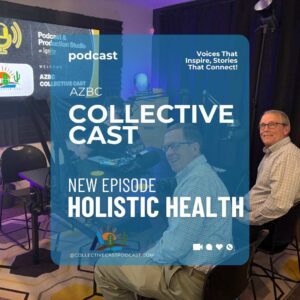
The holiday season is meant to be a time of joy, connection, and celebration—but for many families caring for loved ones with Alzheimer’s or dementia, it can bring unique challenges, emotional strain, and a sense of loss as traditions evolve. In a heartfelt and empowering episode of The Collective Podcast, Sue Wielechowski, founder of Caring Causes, joins host Jen Beyst from CFDI Brain Builders Health and Ezra Lavinsky from Forward Momentum Counseling to share practical, compassionate strategies for navigating these changes with grace. Key Insights from the Episode Titled “Healthy Holidays: Finding Peace and Joy Amidst Change” (released November 25, 2025), this episode dives deep into maintaining emotional resilience during the holidays. The guests emphasize that it’s perfectly okay to spend the holidays alone if that’s what feels right—and offer heartfelt advice on how families can provide meaningful support for seniors, particularly those living with Alzheimer’s.Highlights include: Embracing New Traditions: When familiar festivities no longer fit, discover ways to create simpler, more meaningful moments that honor your loved one’s current needs. Compassionate Support for Alzheimer’s Families: Practical tips for reducing stress, fostering connection, and prioritizing self-care without guilt. Emotional Resilience and Self-Care: Strategies to stay grounded, manage expectations, and find joy even amidst grief or change. The Power of Connection: Why reaching out for community support can transform the holiday experience from overwhelming to hopeful. Sue Wielechowski brings her expertise from Caring Causes, highlighting how small adjustments in caregiving routines can preserve dignity and spark moments of peace during this sensitive time.Why This Episode Matters for CaregiversIf you’re a family caregiver in Prescott, AZ, or anywhere navigating dementia care, this conversation is a gentle reminder that you’re not alone. It’s a must-listen for anyone seeking tools to blend compassion, connection, and self-care into the holiday season. Listen to the full episode here: Healthy Holidays: Finding Peace and Joy Amidst Change on The Collective Podcast Connect with Caring Causes for Year-Round Support At Caring Causes, we’re dedicated to empowering family caregivers with free resources, expert training, and ongoing guidance—especially during challenging seasons like the holidays. Location: 377 North Montezuma Street, Suite #102, Prescott, AZ 86301 Phone: 833-681-4996 (tel:833-681-4996) Email: of****@**********es.org (mailto:of****@**********es.org” data-original-string=”FOFRjTwMNJB8Om3t3vjPAg==779xhMdP8rrO8mtkC4Qvl8M1Mk3HX1jviaRPUv7/Cjcj8iCi7w0wnD2CTkaqnUR0peHuTQvXwDBgi7ShDNB5uhvuw==” title=”This contact has been encoded by Anti-Spam by CleanTalk. Click to decode. To finish the decoding make sure that JavaScript is enabled in your browser.) Website: caringcauses.org Family Resources: caringcauses.org/family-resources/ Caregiver Classes: caringcauses.org/caregiver-classes/ This holiday season, give yourself the gift of support. Reach out to Caring Causes and find the peace and joy you deserve.holiday caregiving tips, Alzheimer’s holidays, dementia family support, healthy holidays podcast, Caring Causes podcast, Sue Wielechowski, finding joy in caregiving, emotional resilience holidays, seniors holidays alone, compassionate dementia care, Prescott AZ caregiver resources, holiday stress reduction, Alzheimer’s self-care

Read More »
never alone the sacred role of a doula in life’s final chapter

Never Alone: The Sacred Role of a Doula in Life’s Final Chapter

In a world that often rushes past the quiet moments, there exists a space where time slows, breath deepens, and presence becomes the greatest gift. At Caring Causes, we recognize the sacred importance of compassionate support during life’s final transition. That’s why we’re honored to share how Circle of Life Doula Services walks beside those in the profound journey of dying—ensuring that no one faces this path alone. What Does a Death Doula Do? A death doula is not a medical professional, but rather a dedicated, compassionate companion. Think of us as the steady hand on a ship navigating uncharted waters. Doulas provide non-medical, holistic support to the dying person and their loved ones—starting from the moment of a terminal diagnosis and remaining through the final breath and beyond. Some of the invaluable services provided include: Emotional anchoring: Holding space for fear, grief, regret, or peace to surface without judgment. Practical guidance: Helping families understand what to expect physically, emotionally, and spiritually as death approaches (NHPCO End-of-Life Signs Guide). Legacy work: Facilitating life review, letter-writing, or recorded messages to preserve a person’s story (StoryCorps Legacy Project). Vigil planning: Creating a personalized environment with music, aromatherapy, or ritual that honors the individual’s wishes. Respite for caregivers: Giving family members permission to rest, knowing their loved one is never unattended. The Fear of Dying Alone One of the deepest human fears is not death itself, but dying isolated—unseen, unheard, untouched. Research from the National Hospice and Palliative Care Organization (NHPCO) shows that continuous presence at the bedside can reduce anxiety, agitation, and even physical pain in the dying. Yet in our fragmented healthcare system, this presence is often missing. This is where a doula steps in—bridging the gap between clinical care and human connection. Whether at home, in a hospital, or in a hospice facility, doulas ensure that every shift change, every quiet 3 a.m. hour, every final exhale is witnessed with dignity and compassion. Sarah’s Story: A Light in the Dark Sarah was 92 when she met a doula from Circle of Life Doula Services. With her family far away, her nursing home felt more like a waypoint than a home. “I don’t want to die with strangers,” she whispered during her first visit. Over the next six weeks, her space was transformed. Photos of loved ones lined the windowsill, her favorite Billie Holiday records played softly, and video calls were arranged so she could share stories with her grandchildren. When words no longer came easily, her doula sat beside her, holding her hand and singing familiar hymns. On the night Sarah died, as her favorite nurse was on break, her doula read aloud from Little Women. Sarah’s last breath came peacefully, surrounded by warmth and familiarity. Her family later shared, “She wasn’t alone. She was seen.” The Circle Completes Itself Death doulas honor the mystery of our departures in the same way we celebrate our arrivals (DONA International on Full-Spectrum Doulas). At Caring Causes and Circle of Life Doula Services, we believe: To be held at the end is to be held by life itself. Recommended Resources INELDA – International End-of-Life Doula Association – Training, certification, and doula directory. The Order of the Good Death – Death-positive education and community. Gone From My Sight: The Dying Experience by Barbara Karnes – The “little blue book” used by hospices nationwide. CaringBridge – Free platform for sharing health updates and coordinating support. What Really Matters: 7 Lessons for Living from the Stories of the Dying by Karen Wyatt, MD – Insights from a hospice physician. How to Begin If you or a loved one are facing a life-limiting illness, reach out. Each journey is unique, and our services are always tailored to individual needs. We offer initial consultations (virtual or in-person) – Book a free 30-minute call, sliding-scale fees, payment plans, 24/7 on-call support during active dying, and grief companioning for families after loss (Grief Support Resources). Contact us today—so no one walks this path alone. Article written by Caring Causes, featuring Circle of Life Doula Services.

Read More »
physical health and exercise in the management of frontotemporal disorders (ftd) – holistic care at circle of life alzheimer's homes in prescott, arizona

Physical Health and Exercise in the Management of Frontotemporal Disorders (FTD) – Holistic Care at Circle of Life Alzheimer’s Homes in Prescott, Arizona

Frontotemporal degeneration (FTD), also known as frontotemporal dementia, affects behavior, language, personality, and executive function, often leading to apathy, reduced initiative, motor changes, and increased fall risk. While pharmacological options remain limited, regular physical activity offers meaningful benefits: improved cardiovascular health, better sleep, reduced behavioral symptoms, preserved mobility, and enhanced mood and quality of life. Systematic reviews show exercise interventions in dementia (including FTD) can decrease agitation, depression, and apathy while supporting functional independence and slowing physical decline (Lam et al. 2018; Hoffmann et al. 2016). At Circle of Life Alzheimer’s Homes in Prescott, Arizona, our small, home-like residences integrate gentle, person-centered physical activity into daily life to nurture body and mind, promote stability, and foster joy for residents with FTD. The Importance of Physical Activity Exercise enhances cerebral blood flow, supports neuroplasticity, and releases endorphins—countering common FTD symptoms like apathy and emotional blunting. Even low-intensity movement (walking, seated marching, stretching) improves circulation, maintains muscle strength, reduces fall risk, alleviates anxiety, and boosts mood. Evidence indicates regular aerobic and strength activities in early-to-moderate dementia improve global cognition, executive function, and behavioral symptoms, with benefits extending to FTD subtypes (Bossers et al. 2015; Farina et al. 2020). Tailored Exercise Programs FTD presents unique challenges—impulsivity, poor judgment, or motor variants (e.g., progressive supranuclear palsy overlap)—so generic programs often fail. We create individualized plans based on each resident’s stage, interests, physical abilities, and safety needs. A former hiker may enjoy short outdoor walks on our Prescott grounds; someone who loved dancing joins seated rhythm movement; others do chair-based strength exercises or balance games. Personalization increases adherence and enjoyment, turning exercise into a positive, motivating routine (Potter et al. 2018). Strengthening Social Connections Social isolation is common in FTD due to behavioral changes or language difficulties. Group activities—gentle yoga, seated dance, balloon volleyball, or walking circles—provide low-pressure opportunities for interaction, laughter, and peer connection. These sessions build community, reduce loneliness, and reinforce a sense of belonging. Research supports that socially oriented exercise in dementia settings decreases agitation and improves emotional well-being more effectively than solitary activity (Cohen-Mansfield et al. 2010). Encouraging Routine and Structure FTD often disrupts daily rhythms, leading to restlessness or sundowning. Consistent schedules that embed short, predictable exercise periods (e.g., morning stretch, afternoon walk) provide structure, predictability, and purpose. This routine anchors the day, reduces anxiety, stabilizes mood, and supports better sleep—key factors in managing behavioral challenges. Structured physical activity has been linked to fewer disruptive behaviors and improved caregiver-reported quality of life (Gitlin et al. 2009). At Circle of Life Alzheimer’s Homes in Prescott, Arizona, we weave gentle, enjoyable movement into a compassionate, home-like environment. Our approach honors each resident’s abilities and history, prioritizes safety and fun, and supports families seeking holistic, dignity-preserving care for loved ones with frontotemporal disorders. Contact Circle of Life Alzheimer’s Homes in Prescott today to learn more about our supportive, active community. References Bossers, Willem J., et al. 2015. “A 9-Week Nordic and Free Walking Exercise Programme in Early-Stage Alzheimer’s Disease: A Preliminary, Randomized, Controlled Trial.” Journal of Alzheimer’s Disease 45 (3): 969–981. Cohen-Mansfield, Jiska, et al. 2010. “Nonpharmacological Interventions for Inappropriate Behaviors in Dementia.” American Journal of Geriatric Psychiatry 18 (4): 294–305. Farina, Nicolas, et al. 2020. “The Effect of Exercise Interventions on Cognitive Outcome in Alzheimer’s Disease: A Systematic Review.” International Psychogeriatrics 32 (3): 311–326. Gitlin, Laura N., et al. 2009. “Nonpharmacologic Management of Behavioral Symptoms in Dementia.” JAMA 302 (22): 2463–2470. Hoffmann, K., et al. 2016. “Moderate-to-High Intensity Physical Exercise in Patients with Alzheimer’s Disease: A Randomized Controlled Trial.” Journal of Alzheimer’s Disease 50 (2): 443–453. Lam, Linda C. W., et al. 2018. “Physical Exercise Interventions for Dementia and Mild Cognitive Impairment.” Cochrane Database of Systematic Reviews 5: CD013489. Potter, Rachel, et al. 2018. “Person-Centred Exercise Programmes for People with Dementia: A Scoping Review.” Dementia 17 (7): 879–899.

Read More »
protecting your future health hearing, brain, and the power of prevention

Protecting Your Future Health Podcast: Hearing, Brain, and the Power of Prevention

  In this episode of Collective Cast, host Jen Beyst, Master Neuroplastician®, is joined by Dr. Sam Downing, MD, a family physician with a focus on geriatric and cognitive health, and Doug Dunker, founder of Prescott Hearing Center, for a conversation about prevention and the systems that influence long-term brain health. Dr. Downing shares insights from his work with aging populations, noting that he expected to encounter primarily cardiovascular and respiratory disease—but has instead seen a significant rise in cognitive disorders. This observation sparked an important discussion about the factors that influence cognitive vitality and how many of them can be addressed earlier through prevention. Doug Dunker highlights the powerful connection between hearing and cognitive engagement, explaining how untreated hearing loss can gradually reduce participation in conversations, social interaction, and the mental stimulation that helps keep the brain active. Throughout the conversation, Jen Beyst shares perspectives from Cognitive Function Development, emphasizing the brain’s remarkable ability to adapt and change throughout life when it is properly engaged and supported. Together, the discussion highlights a hopeful and important message: protecting brain health requires attention to the entire system—hearing, sleep, metabolic health, social engagement, and cognitive stimulation. Many of the drivers of cognitive decline are modifiable, and proactive steps taken earlier in life can make a meaningful difference in long-term vitality.  

Read More »